
Winston Churchill once famously stated that “the truth is incontrovertible. Malice may attack it, ignorance may deride it, but in the end, there it is.” The incontrovertible truth is that the Chinese are observing the U.S. blockade of the Strait of Hormuz and they are taking notes. What technological capabilities allow the U.S. to enforce the blockade and which technologies allow others to evade are of great interest to the Chinese Navy. Chinese diplomats are observing international reactions and responses to the U.S. closing off 25% of the world’s oil supply. It has long been debated by defense and maritime analysts whether China would first strike Taiwan with overwhelming military force or insidiously strangle the island from the sea. Shifting maritime norms from the world’s most powerful navy and long-time enforcer of freedom of navigation has brought more clarity to the potential conflict in the Taiwan Strait. Grey-zone maritime pressure is the new norm and China has the capability and political endurance to create the strategic paralysis that could cripple the U.S. response. Here’s what the world will be watching over the next two years in the Pacific.
The Next Blockade No Longer Begins with Warships
China’s shadow fleet of commercial maritime vessels is estimated to number in the thousands and they are responsible for evading sanctions and bypassing Western militaries in record numbers.1 China has shown no reservation in objectively using civilian fishing vessels as tools for enforcing aggressive maritime policy in the South China Sea.2 The Chinese blockade of Taiwan will not start with one of its newly minted aircraft carriers. It will start with civilian ships and dare the U.S. to intervene.
It is highly likely that China will force the United States into an impossible decision tree. Do they fire on commercial fishing vessels? Does it board civilian ships and prompt China to respond in kind? If Taiwan decides to use its military to break the blockade, does that justify a Chinese military response? The U.S. military shot out the rudder of an Iran blockade runner, does China now have precedent to do the same?3
After his recent visit to China, President Trump questioned whether the United States wanted to fight a war thousands of miles away over Taiwan.4 In the realm of a grey-zone conflict, it is much easier to sell the public on avoiding a war when it is not quite a war. Such a protracted blockade using a shadow fleet and ambiguity is likely to hasten the need for technology to both enforce and evade such maritime policy in the near future.
The Future Blockade Will Be Won Through Visibility
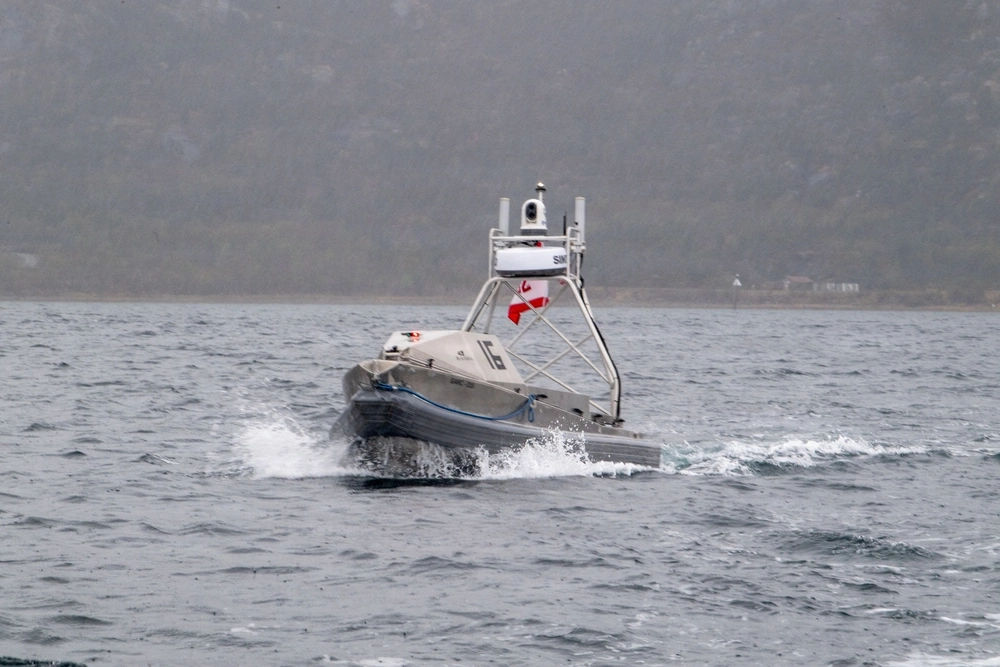
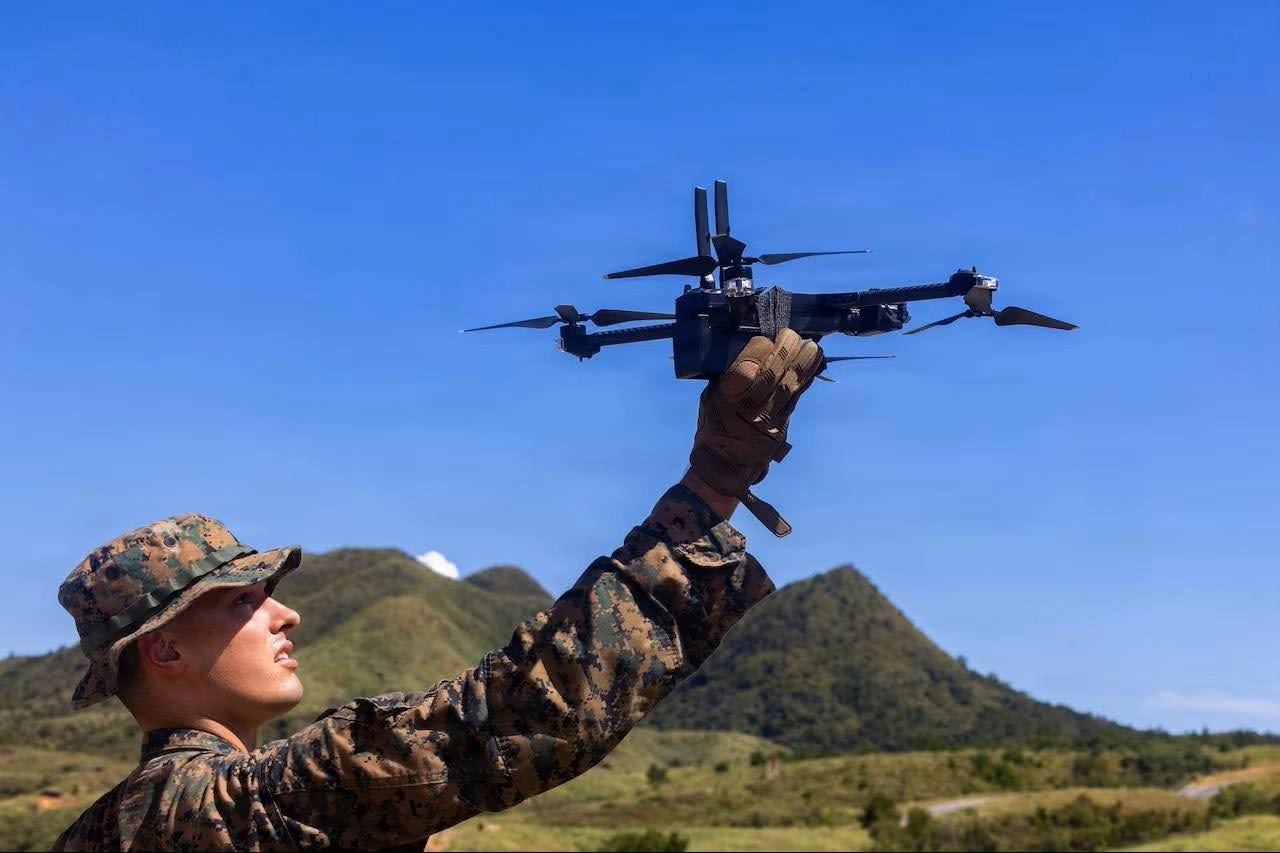
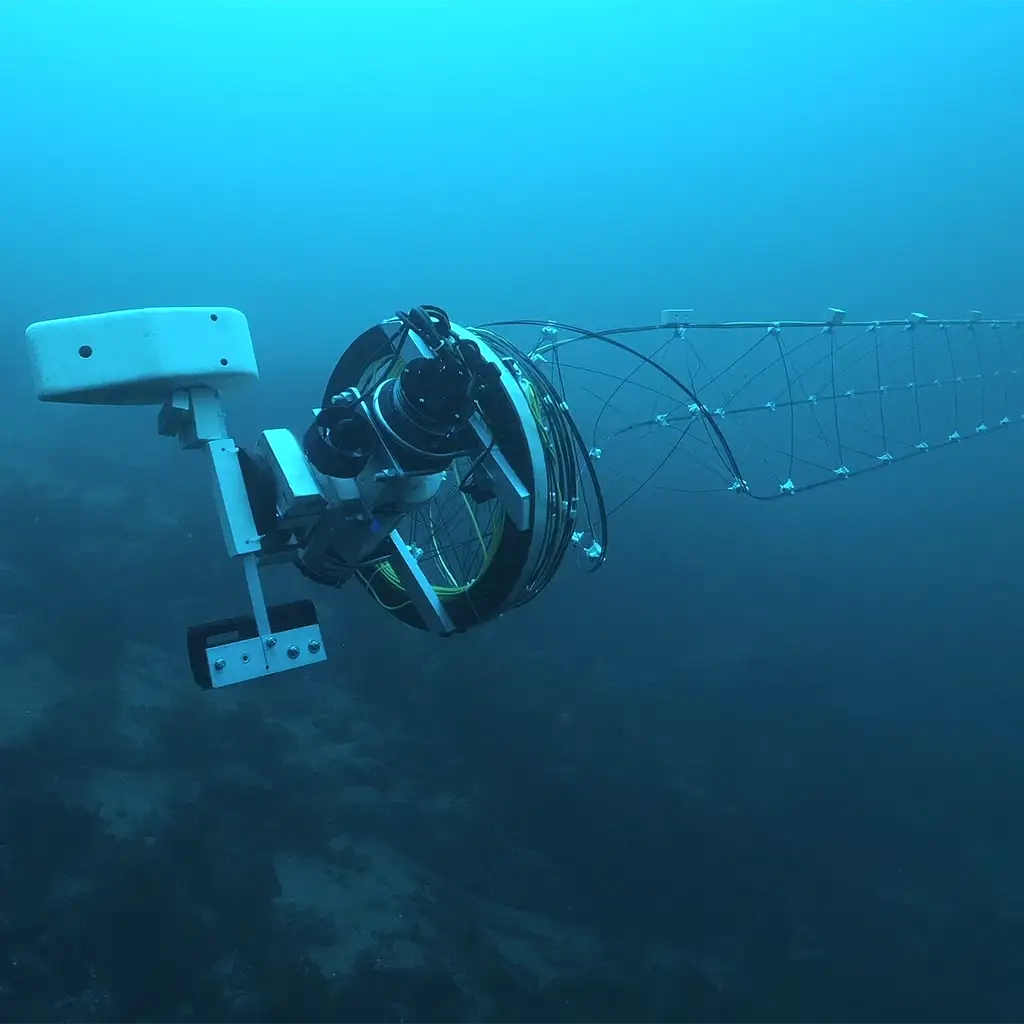
China, of all nations, no doubt embraces Sun Tzu’s belief that “the supreme art of war is to subdue the enemy without fighting.” The longer the Chinese Navy can avoid trading blows with the U.S. Navy, the more likely a protracted blockade stands to succeed. The longer the blockade persists, the more the world begins to accept it as the new norm. Maritime industries should begin investing in technologies that allow maximum visibility and intelligence on the high seas.
China has already begun engaging in AIS spoofing during frequent incursions into Taiwan’s waters in an attempt to overwhelm and confuse their tracking abilities.5 The Pacific Ocean is already the world’s largest body of water and covers nearly 1/3rd of the planet. When technology is used to confuse modern tracking and observation, the Pacific becomes a more ambiguous location. Even with the enormous capabilities of the U.S. Navy and intelligence services, ships have still found an ability to run the Hormuz blockade. The ability to see and remain unseen will dominate the next blockade.
The Blockade Only Needs to be Economically Effective
If China and the United States are both seeking to avoid active military conflict, then an economic blockade is as good as winning the undeclared war. When insurance costs skyrocket due to wartime premiums, the blockade will become self-enforcing. The international system has shown a remarkable capacity to absorb prolonged maritime disruption when the alternative is direct confrontation between major powers. If they can accept a blockade of the Strait of Hormuz, will they accept an informal blockade of Taiwan?
China, using its shadow fleet of commercial vessels, may very well pressure Taiwan into making political concessions that are irreversible and, without a single shot being fired. If so, expect this to become the global maritime norm with no single naval power ready or willing to counter it. Politicians get to debate the matter and let the public decide the merits. The maritime industry must adapt to the discernible truths of the new reality and market forces. One might deride that reality, but as Churchill stated, in the end, there it is.
Maritime Industry No Longer Begins and Ends with the U.S. Navy
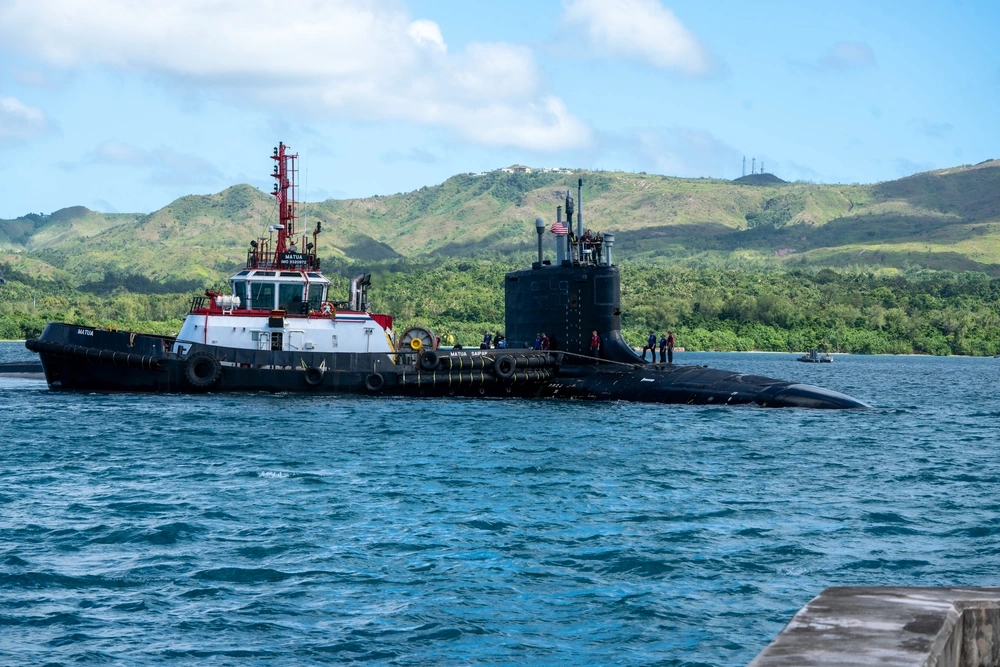
Since the end of World War 2, the transit of a U.S. aircraft carrier through contested waters has been enough to reinforce deterrence and freedom of navigation. As evidenced by the prolonged conflict in the Strait of Hormuz, this is no longer the case. Evolution in low-cost asymmetric drones and anti-ship missile technology has demonstrated that even great naval powers have an incentive to remain at a distance.
The grey area between those dominant naval vessels and the shorelines off contested waters has become the new front in naval warfare. China’s recent maritime behavior suggests that the waters off Taiwan make the next logical proving ground. Maritime security is becoming increasingly decentralized and commercial industries must respond. The future maritime battlespace is commercial, informational, legal, and psychological, not simply naval.
The battle for Taiwan may not be won with a massive naval engagement or formal declaration of war, for which both the U.S. and China seem to have little appetite. Rather, commercial disruption, deniable coercion, and legal ambiguity appear central to how both nations are looking to compete in the maritime domain. The industries best prepared for this environment will not be those with the largest fleets, but those with the visibility, technology, and resiliency to handle the new maritime norm, which is grey-zone coercion.
References
1. McKendry, Clare, Adam MacDonald and Kurtis H. Simpson. “Inside China’s Shadow Fleet: Sanctions Evasion, Surveillance, Sabotage, and Illegal Fishing.” Inside Policy. Jan. 7, 2026. https://macdonaldlaurier.ca/inside-chinas-shadow-fleet-sanctions-evasion-surveillance-sabotage-and-illegal-fishing-clare-mckendry-adam-macdonald-and-kurtis-h-simpson-for-inside-policy/.
2. Luo, Shuxian, and Jonathan G. Panter. “China’s Maritime Militia and Fishing Fleets: A Primer for Operational Staffs and Tactical Leaders.” Military Review. Jan.-Feb. 2021. https://www.armyupress.army.mil/Journals/Military-Review/English-Edition-Archives/January-February-2021/Panter-Maritime-Militia/.
3. O’Malley, George. “The US Navy Shot Out the Rudder of an Iran Blockade Runner with a Super Hornet’s 20 mm Cannon.” Business Insider. May 6, 2026. https://www.businessinsider.com/us-navy-shot-rudder-iran-blockade-runner-fighter-jet-gun-2026-5.
4 Lawrie, Emily. “How China Is Using Fishing Fleets to Assert Its Power.” BBC News. June 11, 2025. https://www.bbc.com/news/articles/ce8p61v7l68o.
5 Institute for the Study of War. “Taipei Times: Frequent Chinese Incursions Testing Taiwan’s Readiness: US Report.” Oct. 6, 2025. https://understandingwar.org/newsroom/taipei-times-frequent-chinese-incursions-testing-taiwans-readiness-us-report/.